
Israel Using Nuclear Weapons: Only a Matter of Time
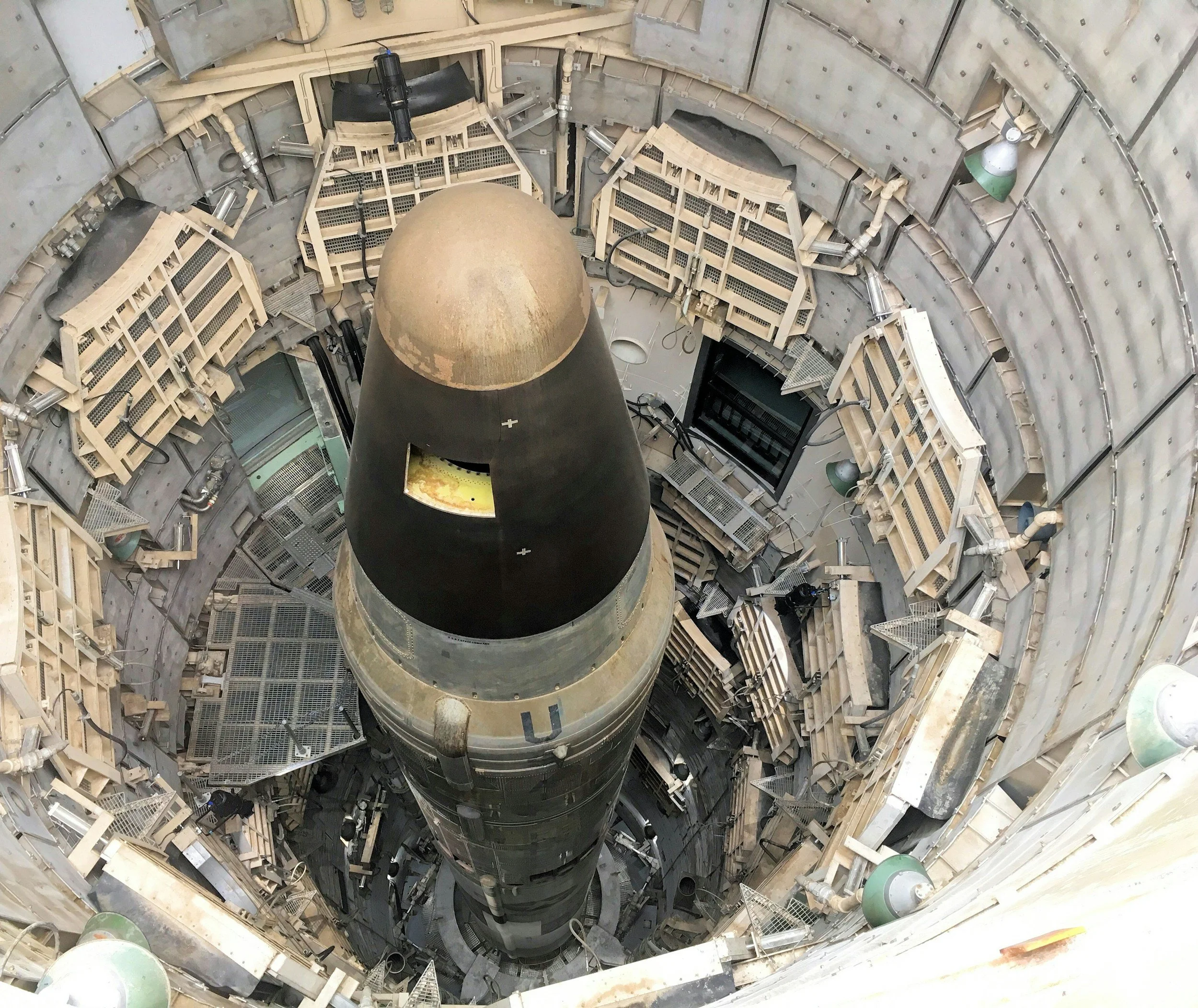
There has been much recent speculation concerning Israel's use of nuclear weapons. The debate has intensified lately, particularly since the departure and resignation of UN representative Mohamed Safa.
This is not a new idea, nor something Israel is currently conjuring. This has been in the plans for decades. Ever since the creation of the State of Israel, contingency plans have been laid out for worst-case scenarios. Israel knew, once it established itself in the Middle East, that its Arab neighbours would resist its creation and the ongoing slaughter of Palestinians. Plans therefore had to be made to ensure the survival of the state. An important part of this planning was identifying the biggest threat within the region. During the early 1950s, most Arab countries resisted Israel and fought back to some extent, but eventually lost and withdrew their militaries. At that time, Israel considered all Arab nations its enemies, but the question was: which one posed the biggest threat?
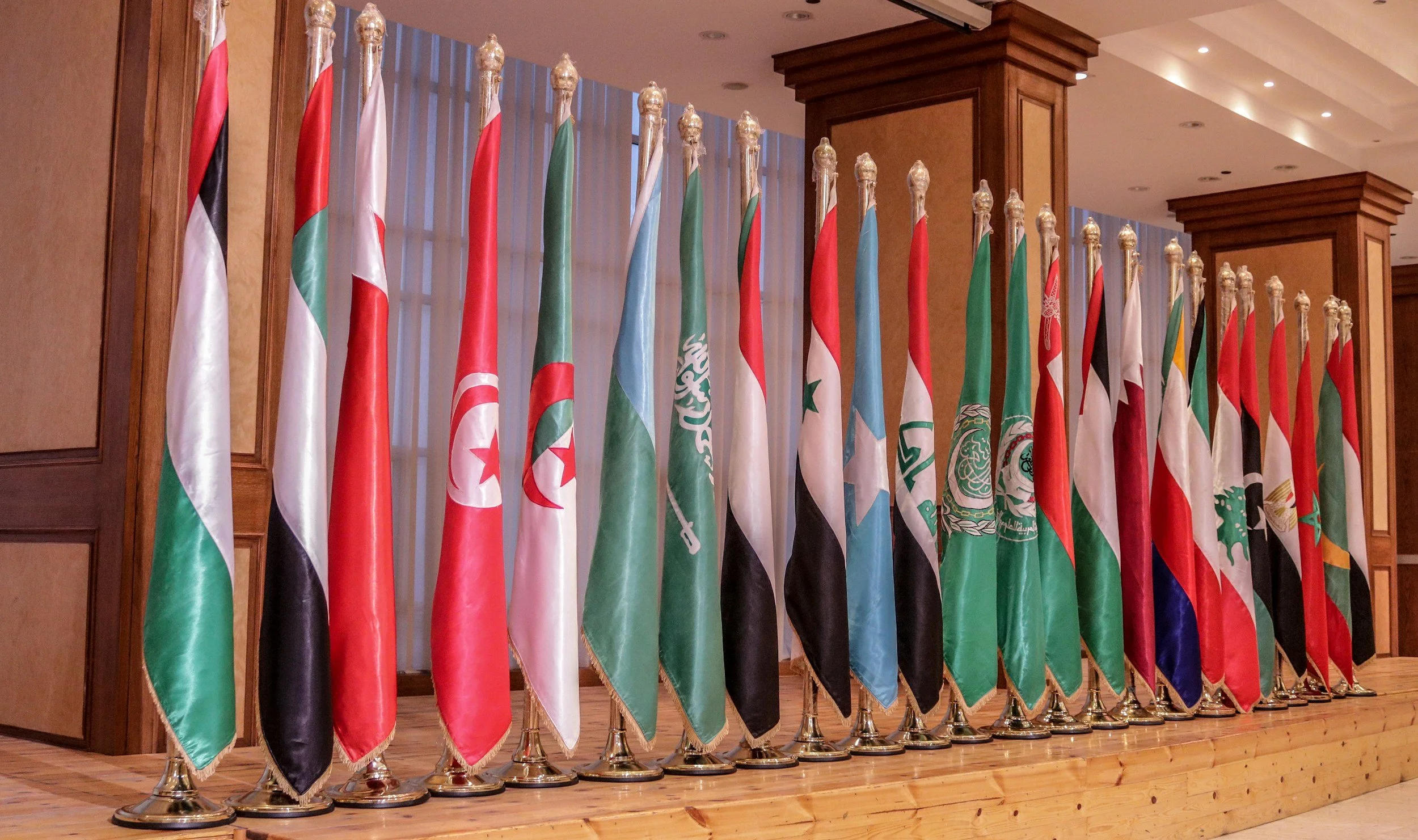
In the late 1950s, Iraq and Iran were under the control of two kings, King Faisal II and the Shah, both of whom were closely allied to the British monarchy and were not heavily involved in the resistance at that time. Jordan had King Abdullah I, while Syria and Lebanon had presidents. Saudi Arabia, Egypt, and the other Gulf states were ruled by monarchies. Overall, things looked relatively stable for Israel at that time.
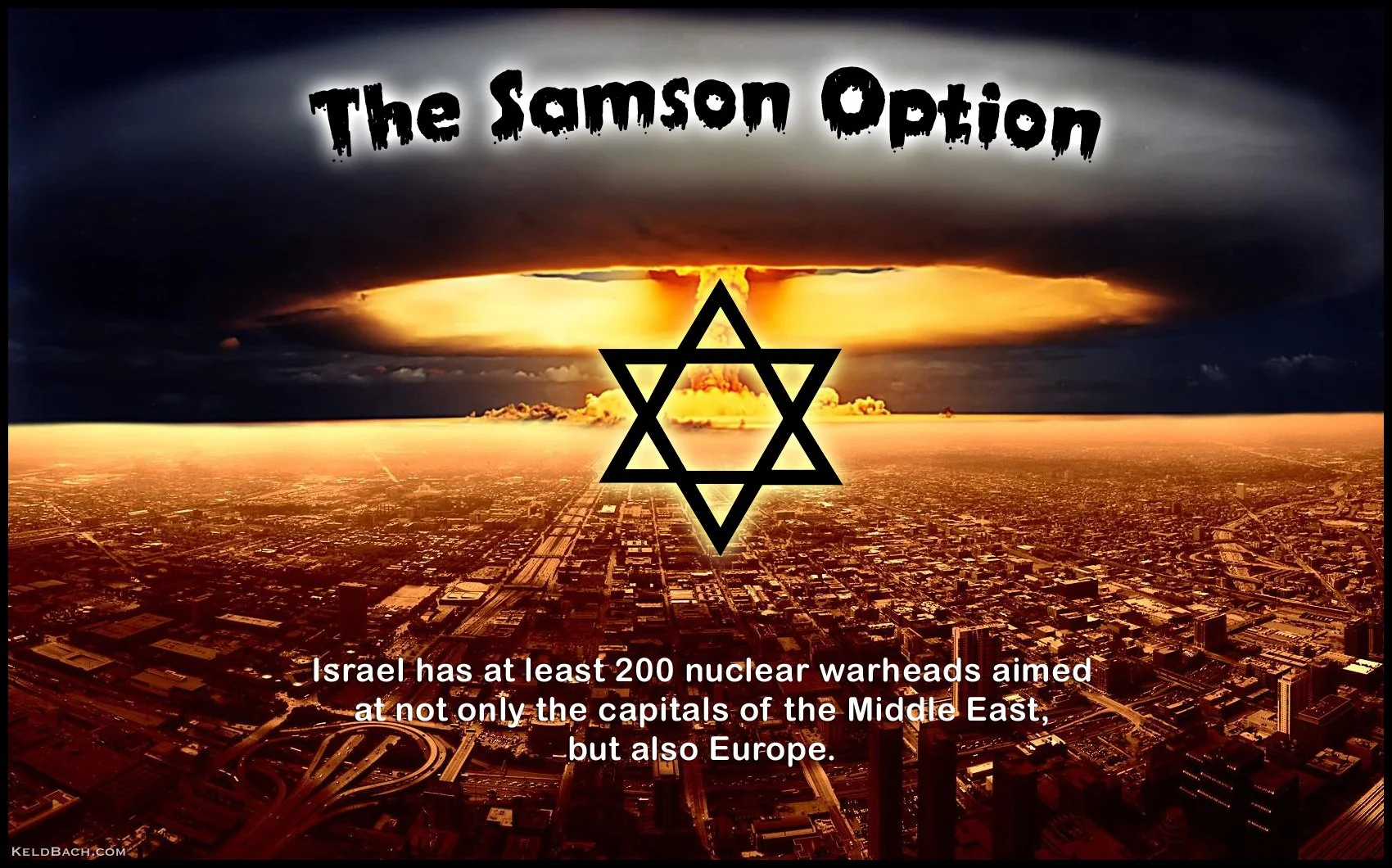
Nonetheless, plans needed to be completed to ensure its long-term security and stability. Different scenarios and their solutions were drawn up to determine where threats might arise. If any of these Middle Eastern governments were to be overthrown, what would replace them? Israel had to prepare solutions for these scenarios. One thing was always on the table in a worst-case scenario: the use of nuclear weapons, otherwise known as the Samson Option. This plan was conceived during the 1950s under Prime Minister Shimon Peres. France helped Israel develop its nuclear capability, and by the 1960s, Israel was estimated to possess as many as 400 nuclear weapons. One could argue that Israel was indeed one of the first countries in the world to possess nuclear weapons.
During the 1970s, things changed considerably in the Middle East, at least in terms of governance. Israel's predictions, plans, and solutions were now active. What Israel had predicted regarding shifts in power across the region had come to pass, and now it was time to act. The region was undergoing fundamental ideological changes. Iraq and Syria were governed by the Baath Party. Iran's Shah had little to no control over Khomeini's growing influence over the country's Shia population. Lebanon was engulfed in civil war, which Israel took advantage of throughout the 1970s and 1980s. Egypt had moved away from Nasserism and entered the era of Anwar Sadat, who led the war to reclaim Egypt's Sinai Peninsula, known to Israelis as the Yom Kippur War. Jordan and the Gulf states remained under largely the same rulership and posed little threat to Israel.
Israel had to act on its long-term plans, especially now that most Arab countries and their governments were focusing on Israel more than at any point since its founding. Arab nationalism was at its strongest. Citizens across the region were forming political movements, differing in ideology but united on one point: ending Israel's occupation, freeing the Palestinians, and uniting under a single Arab identity. This posed a significant and growing threat to Israel. They had to act and act they did.
The US, being Israel's closest ally, cultivated a relationship with the Baathis in Iraq. Iran's Shah was overthrown by Khomeini, who had flown in from Paris. Syria became consumed by the civil war in Lebanon, and Egypt entered a new era under Hosni Mubarak, a man many believe was behind the assassination of Sadat. By convincing Iraq that Iran posed a direct threat to their security, the US effectively kept both countries locked in war with each other. Israel's involvement in Lebanon was similarly designed to create further instability and destruction in the region. Before long, no one was focused on Israel anymore, as Middle Eastern countries turned on one another. Israel was then left with two primary threats: Iran and Iraq.
If the war between Iraq and Iran ended, the victor would inevitably shift its focus back to the real enemy: Israel. Saddam Hussein was vocal in his support for the Palestinians and was the first to strike Israel, launching missiles at Tel Aviv in 1990. Israel therefore had to act, pushing for sanctions against Iraq through the US. Iran was kept at a distance, given its close ties with the Soviet Union and China. Eventually, Saddam Hussein was removed from power, and Iran began to extend its influence across the region with support from its eastern allies. Some argue that Iran was far from subtle in doing so, effectively taking over Iraq's government and replacing it with Shia militias and political groups, before extending its reach into Yemen, Lebanon and Bahrain.
Suddenly, the only remaining threat to Israel's security and long-term plans in the Middle East was, and continues to be, Iran. Shifting to today's political climate, where much that was once hidden is now openly discussed, we see Israel's plan to seize a significant portion of the Middle East to establish what is referred to as Greater Israel, alongside a range of financial and geopolitical strategies. Iran now stands largely alone in publicly opposing Israel, with quiet backing from its old allies China and Russia. The rest of the Middle East has been largely neutralised and poses little threat to Israel's plans. However, Iran has been developing its military capabilities throughout the 1980s and up to the present day. It learned from its war with Iraq, used the relative quiet of the 1990s, when Iraq was subjected to heavy bombardment and US-imposed sanctions, to plan, develop, and build new alliances. Israel, for its part, always knew the US would have its back, so long as the funding continued and the leverage over American politicians remained in place.
What no one anticipated, however, was how effective Iran's bombardment campaign against Israel would prove to be. Israel now appears increasingly desperate, and it is precisely in this moment that the Samson Option comes to mind. The fact that the UN has formally documented such a scenario means that it is not only possible, but arguably only a matter of time.
This would, in turn, have catastrophic consequences for the region and create a tremendous shift in global politics. The world may never fully recover from such a disaster. Yet Israel’s selfish and psychopathic path has long been associated with the willingness to sacrifice innocent lives for its own aims. We have all witnessed the massacres in Gaza and currently Lebanon, and they are still ongoing.
One can only hope that nuclear weapons are never used in our time, or any time for that matter. However, the reality remains that such weapons are in the hands of unstable politicians, and those who possess them are capable of unleashing devastation at any moment.
