
Fame in Islam: A Wake-Up Call for the Muslim Influencer

The Desire That Devours Faith
Desires come in many forms, but one of the most destructive of all is fame. To be known, admired, or followed is a craving buried deep within the human heart. Fame feels like love — the more people see you, the more you feel valued. But Islam teaches that this desire can consume a person’s sincerity faster than any other temptation.
We Will Be Accountable
You will be remembered for every word you utter — every post, every caption, every sentence that reached millions online.
But do we ever pause to reflect on the weight of that?
Do we truly understand the responsibility that comes with being seen, being heard, being followed?
On the Day of Judgement, every word we uttered will either testify for us or against us.
Every careless statement, every moment of mockery, every misleading phrase will stand as evidence before Allah.
The tongue, or in our age, the keyboard, can elevate or destroy an entire lifetime of good deeds.
So, choosing one’s words carefully is not just etiquette; it is a sacred duty. A believer measures not the reach of his voice, but the sincerity of his speech.
Fame magnifies this test: when your words reach hearts, you carry a portion of their outcome — whether they are guided or misled by what you said. The higher your influence, the heavier your accountability.
“Not a word does a person utter except that with him is an observer prepared to record.”
(Surah Qaf, 50:18)
What Does Islam Say About Fame?
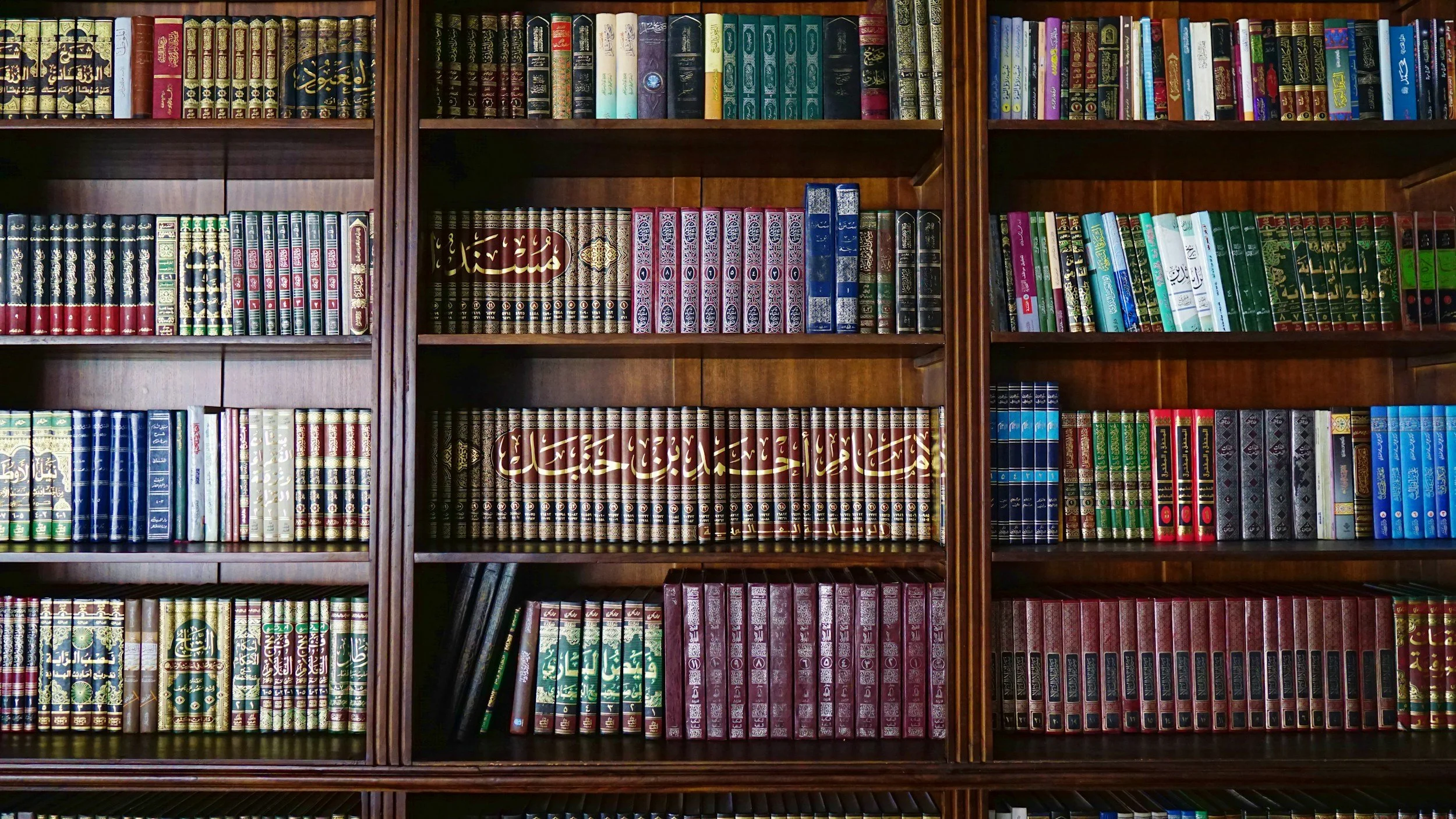
The Prophet ﷺ said:
“Two hungry wolves let loose among sheep are not more harmful to a man’s religion than his craving for wealth and fame.”
(Ahmad and al-Tirmidhi)
The point of this is just as wolves devour sheep, the lust for recognition devours one’s faith. Fame is a fitnah, a test that reveals whether our intentions (niyyah) are for Allah or for people’s applause.
The Prophet ﷺ also said:
“Whoever seeks to be heard of, Allah will make him heard of (in disgrace); and whoever seeks to be seen, Allah will make him seen (in disgrace).”
(al-Bukhari & Muslim)
This is for those who act only to be known. They will eventually be exposed by Allah.
The pursuit of fame corrupts sincerity (ikhlas) and empties even good deeds of reward.
In another Hadith he ﷺ said:
“Glad tidings to the stranger.”
“Allah loves the pious, humble, and hidden servants who, when absent, are not missed and when present, are not recognised.”
(Muslim, Ibn Majah)
To be unknown is not failure but it is rather a protection from arrogance and hypocrisy.
Shaytan’s Role: Feeding Arrogance and Destroying Souls
Fame does not destroy a person on its own — Shaytan feeds it. Wherever there is applause, visibility, and ego, Shaytan sees an opening to whisper, inflate, corrupt, and ultimately break a person from the inside.
Shaytan’s first sin was arrogance, and it is the same poison he pours into the hearts of those whose names become known. He starts whispering and once the heart accepts these whispers, sincerity dies. The person stops worshipping Allah and begins worshipping their image. Likes replace light. Followers replace piety. Views replace humility.
Hence, this is the internal destruction, the soul crumbles long before the public sees anything wrong. Where arrogance grows, scandals follow. It is not coincidence — it is spiritual law.
This is why so many “influencers,” “du‘at,” and public figures face humiliating downfalls via leaked messages, exposed sins, ruined reputations, hypocrisy unveiled, addictions uncovered and private behaviour made public. This is not always because people are digging, but because Allah removes His covering from those who seek fame with corrupt intentions.
Many scandals begin when a person believes their audience loves them, praises them, and defends them no matter what. Shaytan then uses this false narrative to push them into darker desires via pride, lust, carelessness, addiction, and spiritual numbness.
Once the person slips, Shaytan does not protect them but he rather abandons them and laughs, just as the Qur’an tells us regarding Shaytan’s testimony:
“I only invited you, and you responded. So, do not blame me; blame yourselves.”
(Qur’an, 14:22)
When Fame Comes Without Seeking It

Fame itself is not sinful if it comes without pursuit. Some become known through knowledge or good deeds, and Allah raises their mention because of sincerity, not self-promotion.
Imam al-Nawawi said:
“If a person becomes famous without seeking it, due to Allah making his good deeds known, then there is no blame.”
However, Imam Ahmad ibn Ḥanbal cautioned:
“A person should not wish to be known, for what safety is there in that? But if Allah tests you with it, then protect your heart.”
Therefore, Islam does not reject influence - it questions why you seek it.
Fame can be a blessing if used for truth, but a curse if fed by ego.
Imam al-Shafiʿi once said:
“I wish that all people would learn this knowledge and none of it be attributed to me.”
The Modern Crisis: Fame as Religion

Today, social media has turned the love of fame into an addiction. Many who call to Islam have fallen into self-worship. The online scene of duʿat (preachers) has become a circus of ego — endless debates, mockery, and theatrics designed to draw views rather than hearts.
They argue that past scholars also debated, yet forget that those discussions were intellectual, not trivial entertainment. The sincere daʿiyah speaks with humility and fear of Allah, not for subscribers or revenue.
This obsession with visibility, followers, and applause is not daʿwah. It is digital vanity, dressed as religious work.
The Power of the Written Word
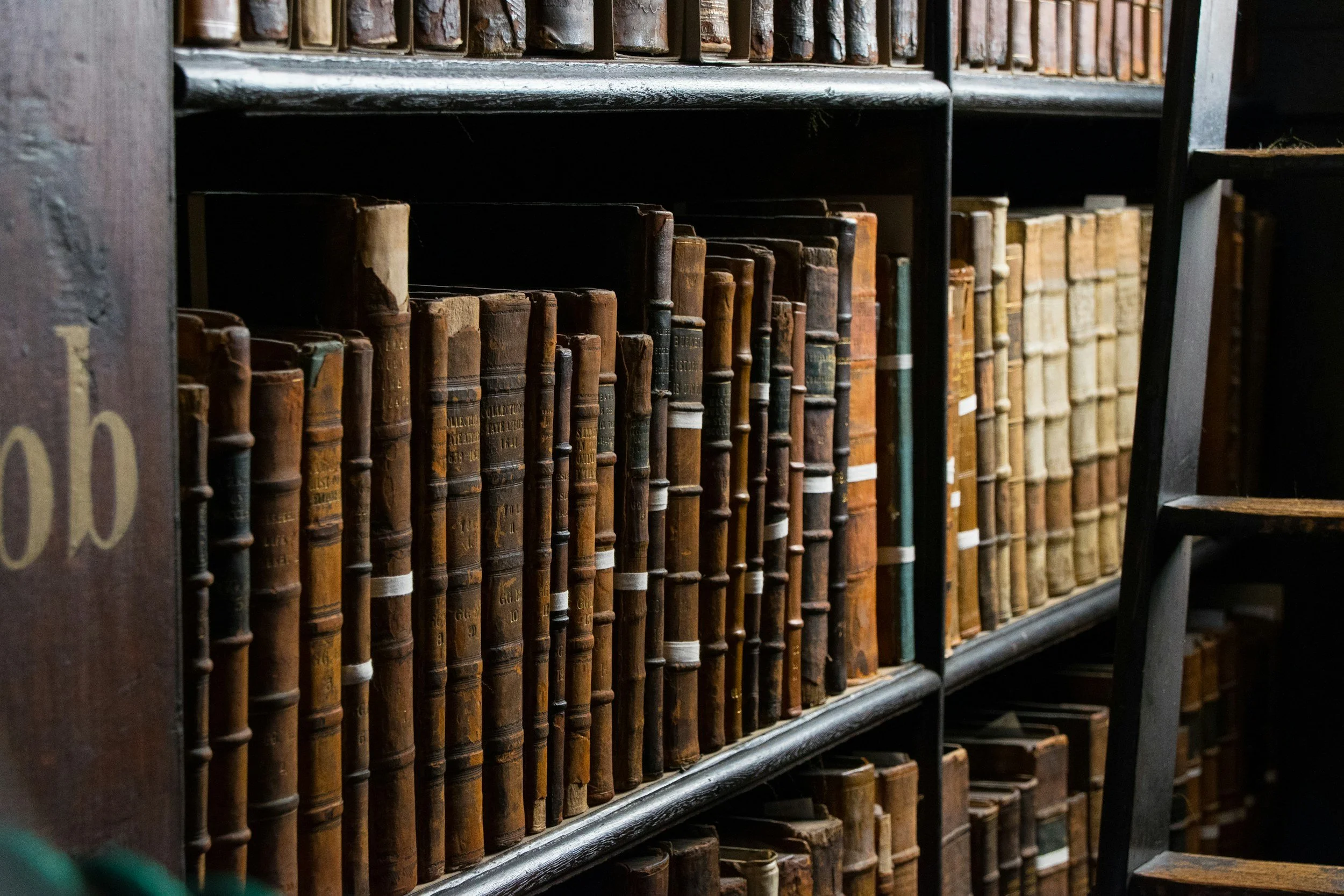
In every age, the written daʿwah outlives the spoken one.
Words written for Allah’s sake find their own path to survival.
Centuries pass, empires collapse, manuscripts burn, yet somehow, Allah ensures that truthful words remain.
Even in the digital era, people still read, and those who prefer technology can listen to knowledge through audio. The means may change, but the message of sincerity never does.
Making oneself visible is not the answer, being unseen often is.
If you work in silence and for Allah alone, He will raise your voice in ways no algorithm ever could. No one can erase what Allah wills to preserve.
Just as He protected the works of the great scholars through wars, invasions, and neglect, He will protect the legacy of anyone who writes with ikhlas.
Therefore, fight your inner demons. Stop your desires before they destroy your legacy, whatever kind it may be.
Let your heart speak to Allah, not to the crowd.
Learn from the Past
Look at the people from whom we take our religion.
Most lived and died unknown, yet their writings became immortal.
Their fame arrived only after death — a gift from Allah, not a product of marketing.
Imam al-Bukhari – rejected and exiled in his time, yet compiler of the most authentic ḥadith collection.
Imam Malik – persecuted in private; later founder of a school of law.
Imam Ahmad – imprisoned, tortured, and now remembered for his truth and patience.
Imam Muslim, al-Nawawi, al-Ghazali, Ibn Rajab, Ibn al-Qayyim, and others — all lived quietly, yet Allah made their words endure through centuries of wars, invasions, and destruction.
The same applies to women of knowledge:
Fatimah al-Samarqandiyyah, Zaynab bint al-Kamal, Karimah al-Marwaziyyah, and ʿA’ishah al-Baʿuniyyah all taught privately and shunned attention, yet their works are cited today in classrooms and libraries across the world.
Their obscurity was their protection, and their legacy was their sincerity.
The Lesson
Fame is short-lived. Sincerity is eternal. If you chase attention, you may gain followers, but lose your soul. If you chase Allah’s pleasure, the world may forget you, but the heavens will remember your name.
“The religion is sincerity.”
(Sahih Muslim)
