
Why Every Muslim Household Should Adopt a Cat
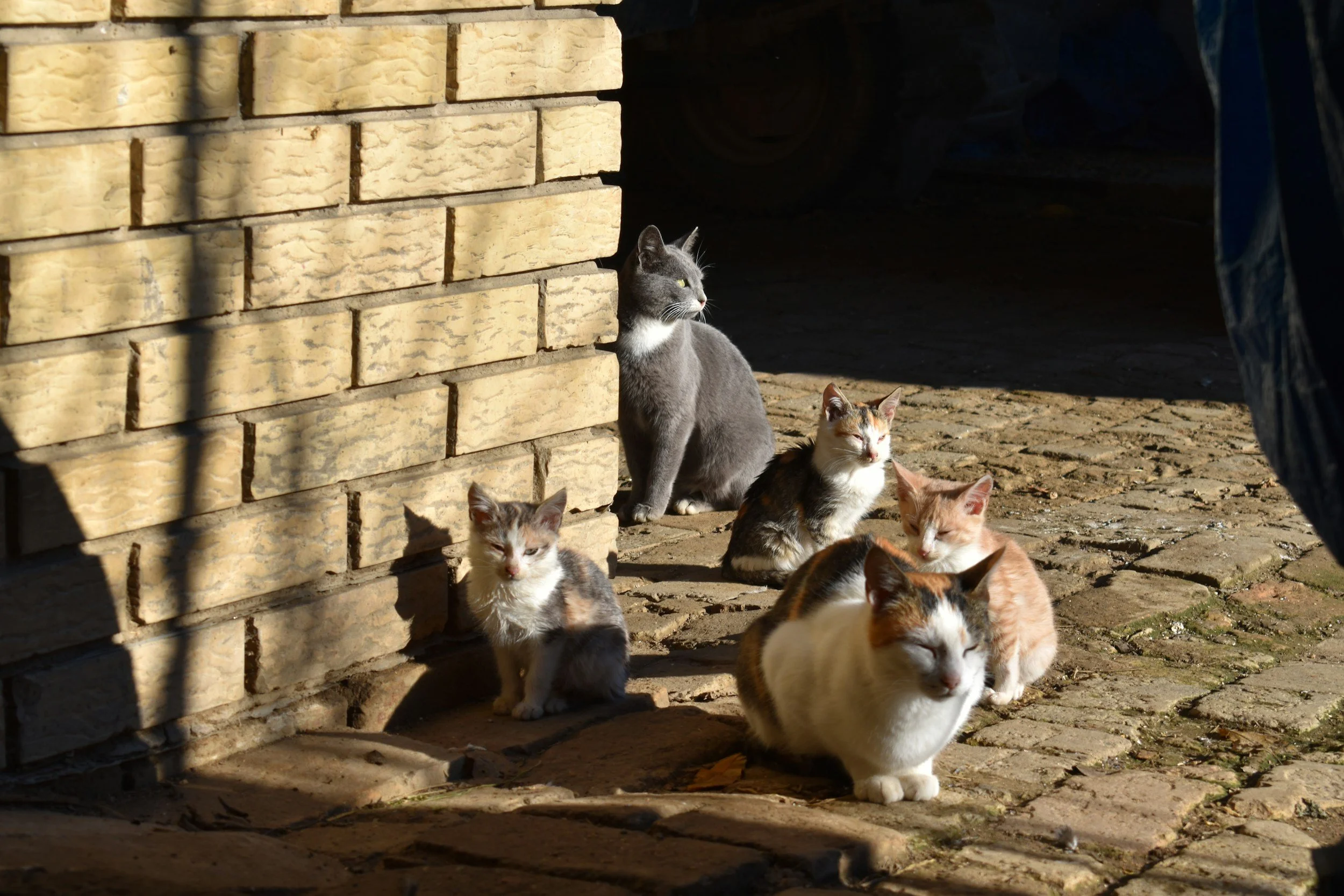
Animal care in Islam goes hand in hand with maintaining balance and harmony with nature. Allah SWT created us to live peacefully alongside animals, except in cases where they cause harm, and even then, Islam teaches us to act with justice and compassion. Animals have lived with humans since the beginning of time, and our faith instructs us to take extra steps to protect, feed, and care for them. Especially during severe weather conditions.
The Prophet PBUH and animals
The Prophet ﷺ had a remarkable relationship with animals. Although he may not have kept a formal pet, cats were known to enter and roam freely in his home, and he did not object to their presence. His teachings mention animals repeatedly and emphasise mercy towards all living creatures.
For example, he said:
“In every living creature there is reward.” (Bukhari & Muslim)
Also:
“Allah forgave a prostitute because she gave water to a dog.” (Muslim)
Futhermore:
“In every living being is a reward.” (Muslim)
However, there are also warnings:
“A woman was punished with Hellfire because she imprisoned a cat…she neither fed it nor let it seek food.”
Any Muslim who adopts a cat or cares for animals is engaging in compassion, charity, and ongoing reward (a form of sadaqah jariyah) every time that animal eats, drinks, or feels comfort because of them.
Cats in Islam
Cats hold a special, unique status in Islamic tradition. Unlike dogs, cats are allowed inside a home, do not invalidate prayers (if they walk in front of you), are considered clean and can eat from your bowl without making it impure.
The Prophet ﷺ said regarding cats:
“They are not impure. They intermingle with you (in homes).”
(Sahih Abu Dawud, Tirmidhi & Ibn Majah)
Several early Muslim historians, including al-Suyuti, al-Qastallani, and Ibn al-Jawzi, narrated the story of a cat sleeping on the Prophet’s sleeve. When the time for prayer came, rather than disturb it, the Prophet ﷺ gently cut the part of his garment around the cat and proceeded to pray. Even though this report is not found in the Sahih collections, it is considered sound in meaning and reflects his profound mercy and gentleness toward animals.
Abu Hurayrah – The Father of the Cats
One of the strongest recorded examples is the famous companion Abu Hurayrah (RA), who was given his nickname by the Prophet ﷺ himself. He said:
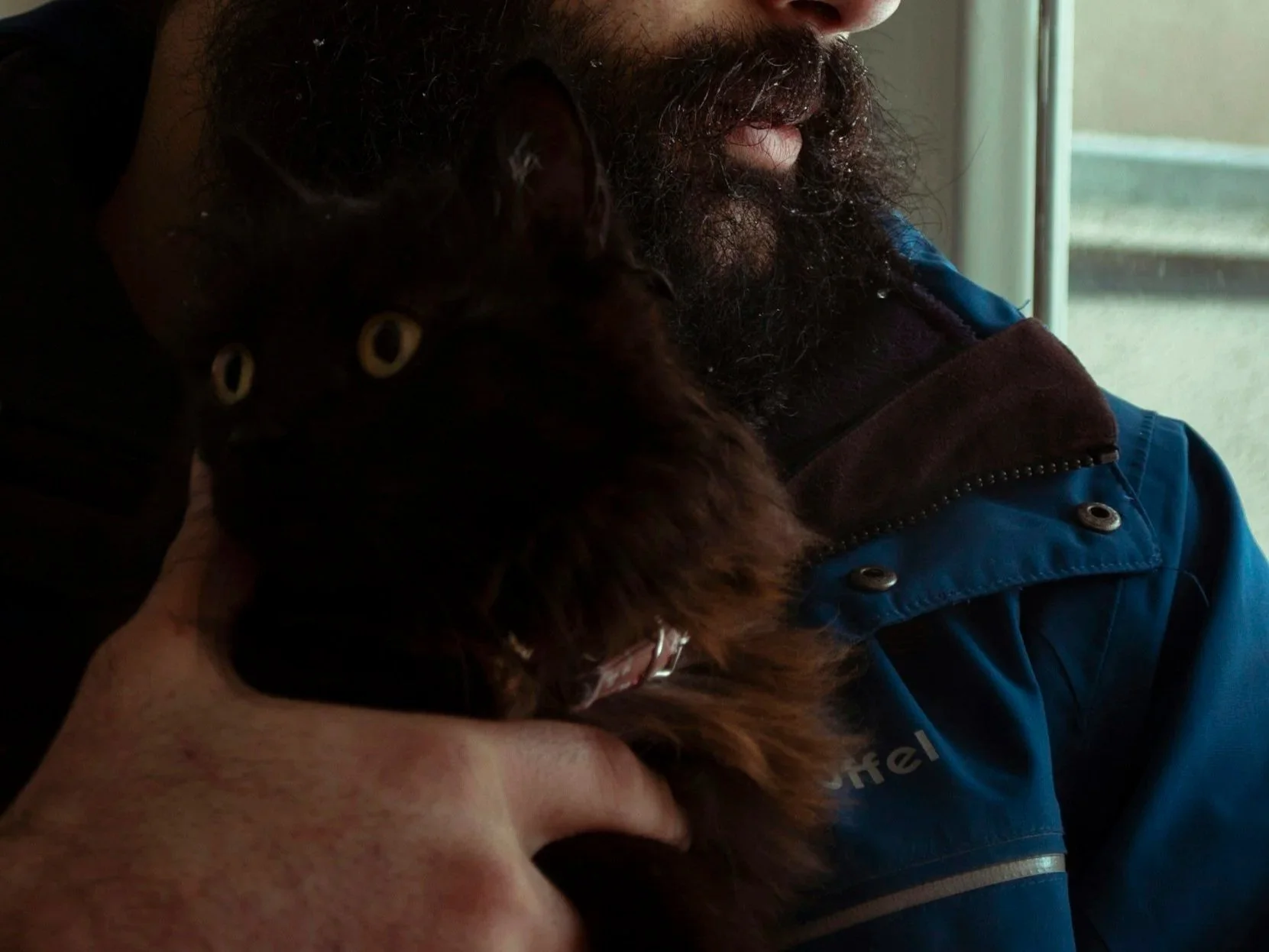
“I was called Abu Hurayrah because I used to carry a small cat with me.”
(Sahih Bukhari)
This shows clear approval from the Prophet ﷺ regarding keeping cats as companions.
Present Day Muslims and Neglect
Sadly, some Muslims today intentionally avoid adopting or even feeding stray cats. They see these animals starving, shivering in the cold, or injured, yet choose to turn away. Many Muslims living in the West have enough resources to feed themselves and others, yet hesitate to offer even a small amount of food to Allah’s creatures.
As Muslims, it is our responsibility to show mercy to the creation so that Allah shows mercy to us. The rewards that accumulate from feeding and caring for animals will appear on the Day of Judgement; a day when every good deed will matter immensely.
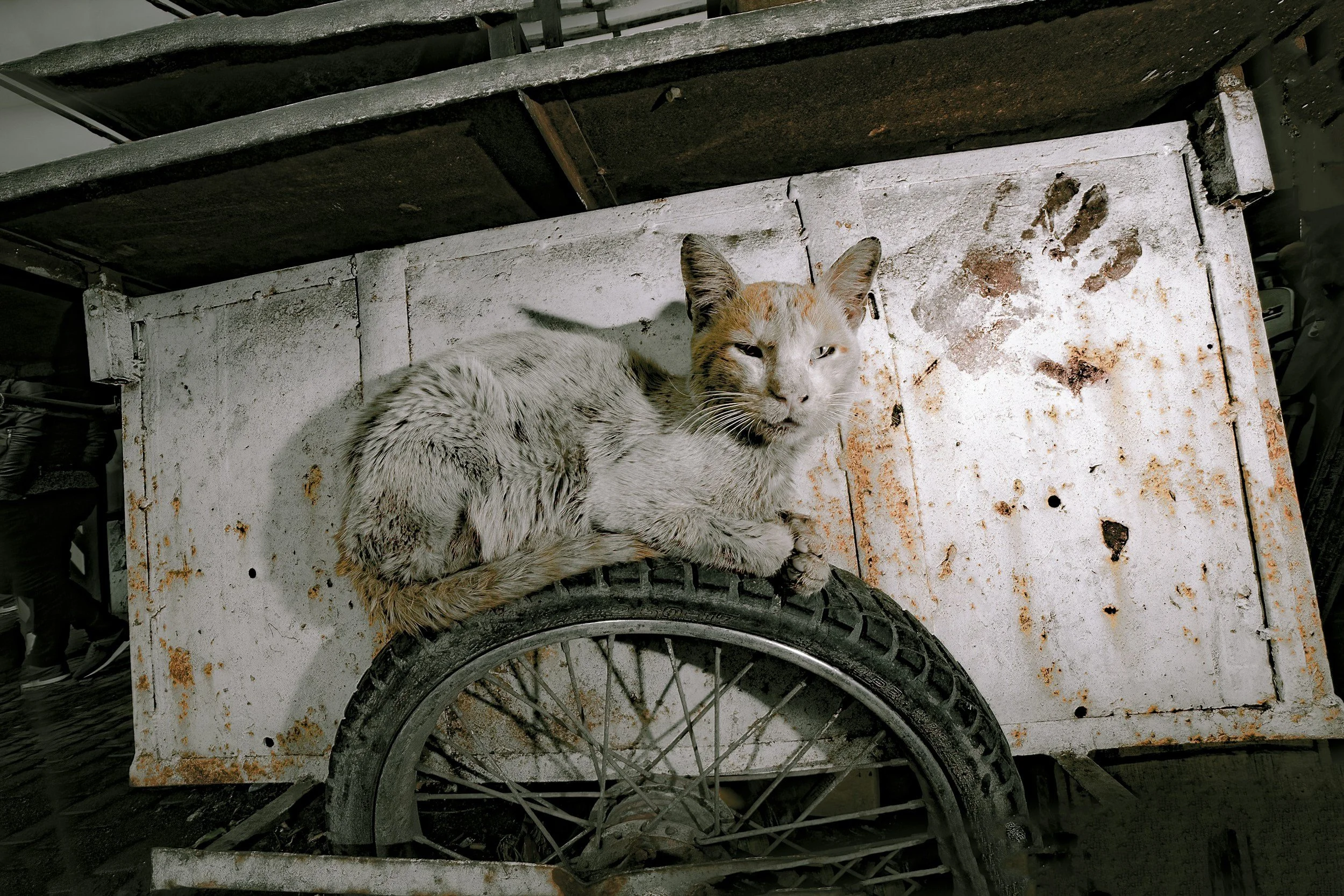
Some people simply fear animals, and this fear prevents them from caring for them. But fear can be overcome. If I personally overcame my own fear, so can you. It takes time, patience, and familiarity. I had never handled cats or dogs before, but my children helped me learn how to hold a cat and overcome my hesitation. After a few weeks, what began as fear turned into love, and now I cannot imagine our home without our pet cat.
What About Allergies?
Some people worry about adopting a cat because of allergies, and Islam never asks anyone to harm their health. If someone has a genuine medical allergy, there is no blame in avoiding pet ownership. However, many mild allergies can be managed with simple measures such as regular cleaning, antihistamines, or gradual exposure, and many families find their symptoms lessen over time. Even if someone cannot keep a cat at home, they can still earn reward by feeding strays, supporting shelters, buying a used outdoor cat house/kennel or simply offering water. The purpose is not to force every Muslim to keep a pet, but to remind us that kindness to animals is part of our faith, and each person can show mercy within their own capacity.
Mental Health in Relation to Adopting a Cat
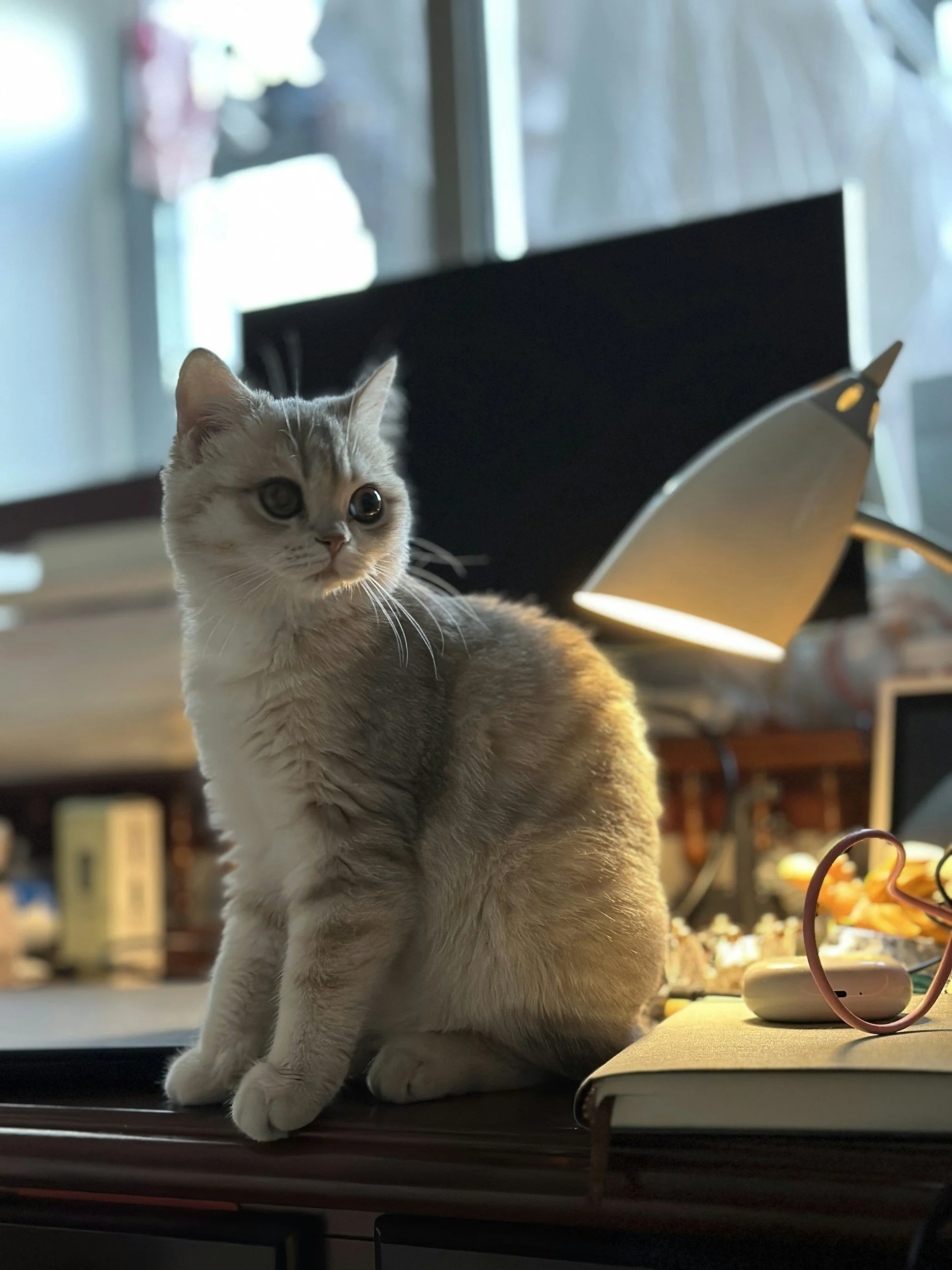
Beyond the spiritual rewards Islam associates with caring for animals, modern psychology has repeatedly confirmed something Muslims have known for centuries: having a cat can profoundly improve mental and emotional wellbeing.
Cats offer a unique kind of companionship; they are quiet, non-intrusive, calming, which makes them especially suitable for people who feel overwhelmed, lonely, anxious, or mentally exhausted.
Studies have shown that petting a cat lowers cortisol (stress hormone), increases serotonin (well-being hormone), and regulates the nervous system through touch.
Their rhythmic purring has been proven to have a soothing, therapeutic effect, lowering heart rate and calming the brain.
This is why many people find sitting near a resting cat more grounding than being with humans.
Cats offer gentle companionship without overwhelming demands, making them ideal for people dealing with depression, loneliness, burnout, or emotional exhaustion. Their predictable routines and need for care help restore structure and purpose to daily life, while their quiet presence brings a sense of peace and stability to the home. In many ways, a cat becomes both emotional grounding and a source of comfort, a form of healing that aligns beautifully with Islam’s emphasis on mercy and tranquillity.
The Fear of Losing Money in Relation to Caring for a Cat
Some people hesitate to adopt a cat because they fear the financial responsibility that comes with caring for an animal. While it is true that food, litter, and occasional vet visits require money, this fear is often much greater than the reality. Islam teaches that spending on any living creature brings reward, and that charity never decreases one’s wealth. Caring for a cat becomes a form of ongoing Sadaqah, and many Muslims find that Allah places barakah in their income when they show kindness to His creatures. Instead of seeing a cat as a financial burden, it is more accurate to see it as a source of mercy; one that brings emotional comfort, spiritual reward, and, through Allah’s promise, blessings in one’s provision.
Moreover, in the UK, low-income households or those working part-time may not need to pay full costs for vet services. Well-established charities such as the PDSA, RSPCA, and Blue Cross, provide free or heavily discounted treatment for eligible families. These services exist because cat and dog shelters across the UK are overwhelmed and struggling with limited funding. In many cases, it is more beneficial, both for the animal and the community, for a family to care for a pet in a loving home rather than leaving it in an overcrowded shelter and worse outside as a stray.
Muslim Countries and the Neglect of Animals
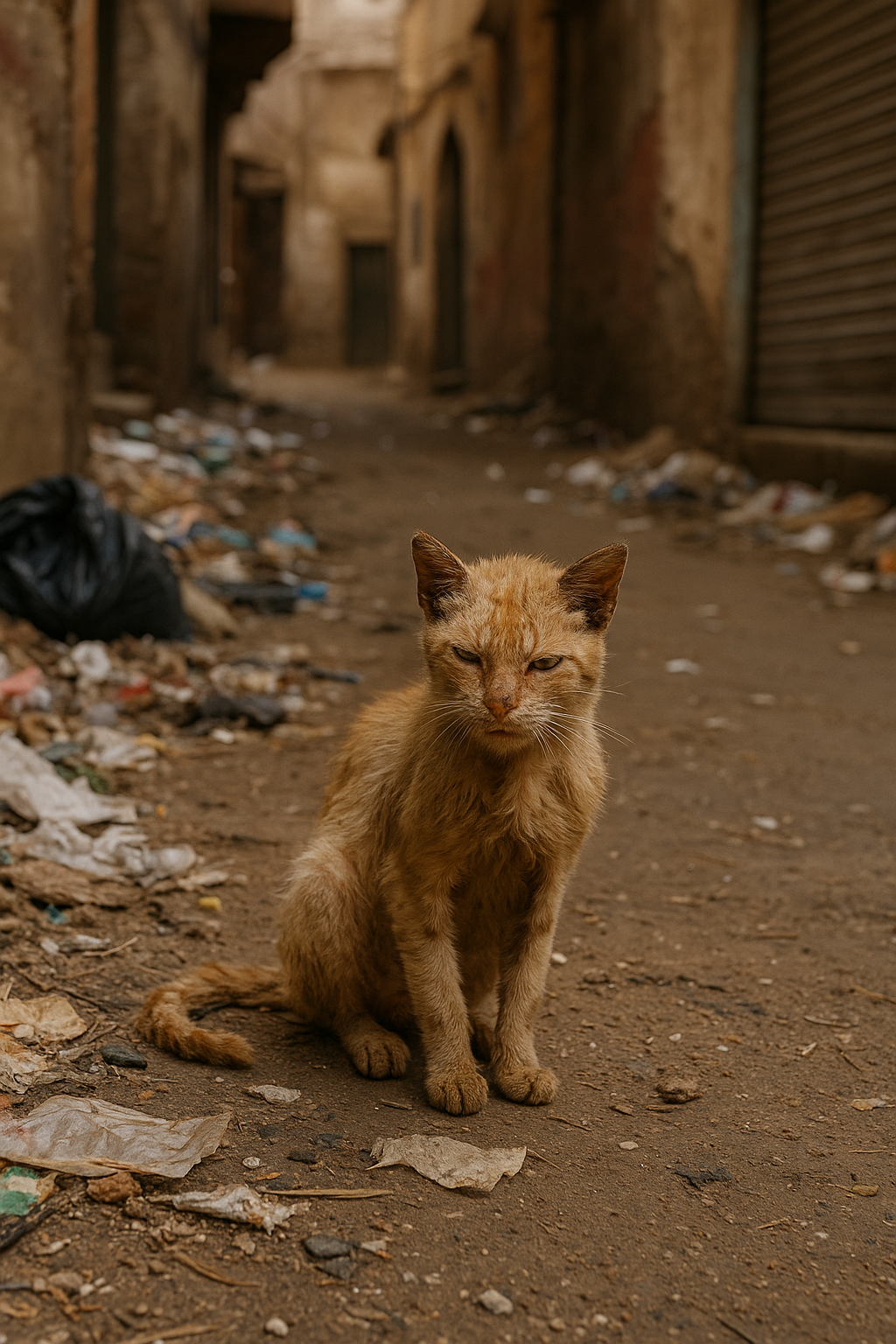
One of the most painful realities in many Muslim countries today is the widespread cruelty and neglect shown towards animals. The lack of empathy displayed in the streets, markets, and homes of our own nations reflects a terrible image, not only of us as people, but of Islam itself. How do we expect Allah SWT to view us as representatives of His religion when we mistreat the very creatures He placed under our care? How will we stand before Him on the Day of Judgement and answer for our neglect, abuse, and indifference toward His creation?
The humiliating condition that many Muslim countries find themselves in is not without a cause. Among the many issues we face such as corruption, injustice, and disunity, animal cruelty and neglect sit silently as an unacknowledged moral disease. Mercy invites mercy; cruelty invites consequences. Why should we expect Allah SWT to show us compassion when we refuse to show compassion to others, including the weakest of His creation?
Some may argue that people in Muslim countries are overwhelmed with hardship, poverty, and instability and therefore “do not have time” to care for animals. But let us reflect honestly: Was the Prophet ﷺ wealthy? Were most of the Companions wealthy? Did they not face extreme hardship, hunger, persecution, and war? Yet they still showed mercy to animals, fed them, protected them, and never used difficulty as an excuse to abandon compassion.
Allah SWT blesses the hearts of the merciful. He places barakah in the wealth, time, and homes of those who show kindness, even to animals. We should remember the authentic hadith about the woman who was punished for imprisoning a cat, neither feeding it nor allowing it to find food. If such an act earned severe punishment, what then of entire societies that ignore suffering animals on the streets?
Let us fear Allah SWT, remember His attribute of mercy, and strive to reflect it in our actions. And let us remember the gentleness of our beloved Prophet ﷺ, whose compassion extended not only to people, but to every living creature that walked the earth.
