
The Reason Why She Removed Her Hijab
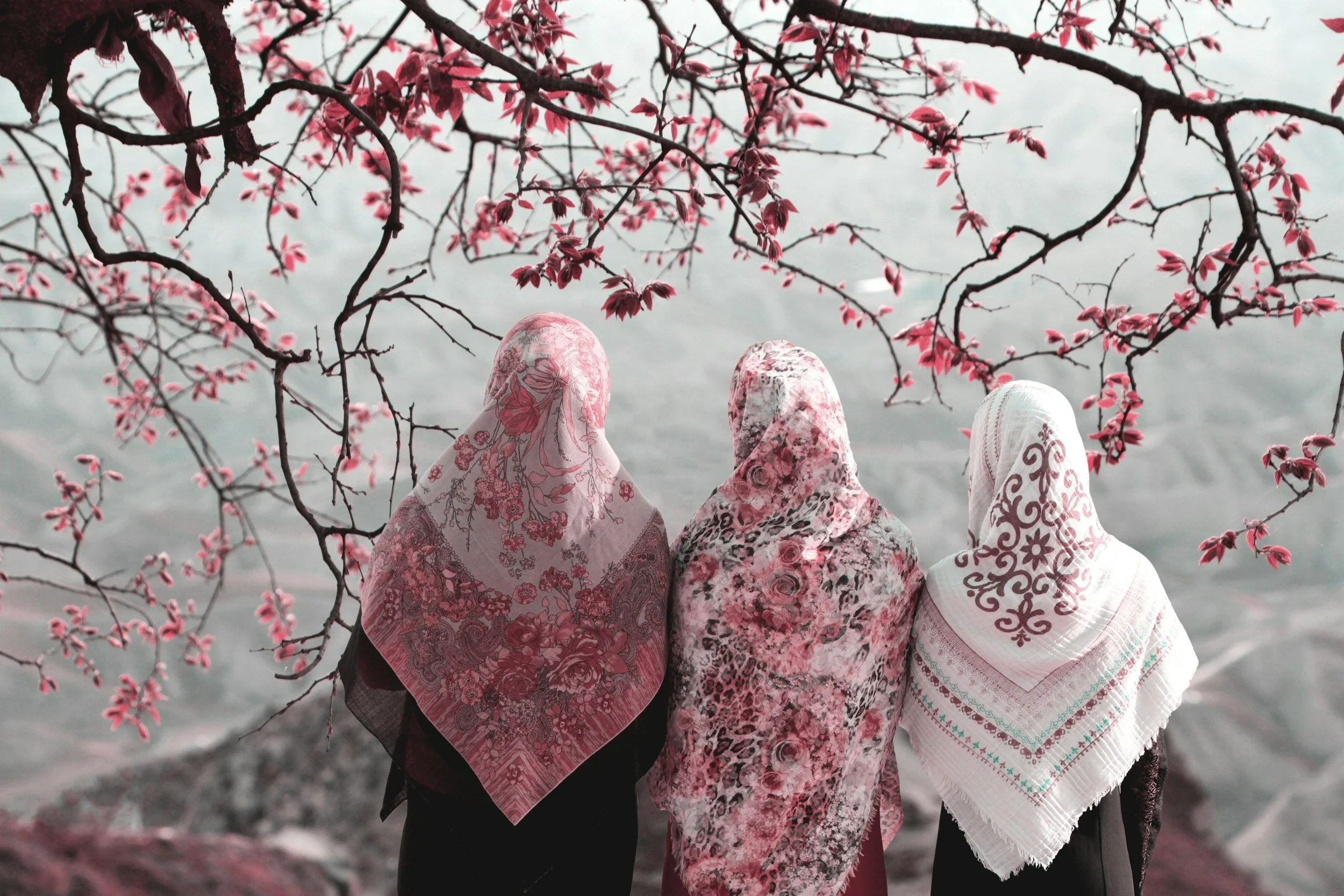
Criticism, gossip, mockery, tears, arguments, lectures – this is the storm a Muslim woman faces when she takes off her hijab. Everyone has something to say. Very few ask the real questions: Why did she reach this point? What happened to her faith, her environment, her heart?
Instead of pausing, we rush to humiliate, expose, and judge, and then, when we are done talking about her, we simply ghost her.
Let’s be clear from the start: Hijab is not optional in Islam. It is not a trend, not a cultural accessory, not a personal brand. It is a command from Allah and it always has been even amongst Christians and Jews. However, if we want women to keep their hijab, we have to understand why some are removing it altogether from their lives.
The Hair
Hair is not a small detail in a woman’s life. Across cultures and religions, ancient and modern – hair has always carried meaning: beauty, power, femininity, identity, grief, even status.

Modern sources (like pieces published in newspapers such as HuffPost) describe how deeply women tie their self-esteem, confidence, and sense of worth to their hair. Hairstyles change how people see them, especially in key events like weddings, celebrations, or professional settings. In some cultures, hair is sacred; in others, shaving or cutting it is a symbol of mourning.
So when a Muslim woman covers her hair, she is not just putting on a cloth. She is hiding something the world praises and values highly. For a woman whose whole society equates beauty with hair, this is not a small sacrifice. Please, note that the hijab is not merely about covering the hair, but also about covering other aspects of beauty, including the bosoms and dressing modestly in general, such as wearing loose and non-revealing clothing.
Why Do Some Women Remove It?
Not every woman sees her hair as “power” or “glory”. For some, it is just part of their body that must be washed and maintained. For others, it is deeply tied to their sense of self, especially in non-Muslim environments. The reasons behind removing the hijab are many, and often painful. Below are some of the major ones.
Career and Workplace Pressure

In the West, and even in some Muslim countries, a woman quickly realises that her hijab speaks before she does.
Some women feel that hijab blocks their promotion, limits their opportunities, or makes colleagues assume they are oppressed, weak, or “backwards”. Western media has drilled this image into people’s minds: the poor, voiceless hijabi who doesn’t know any better.
At work, something else happens too: social isolation.
Colleagues bond over after-work drinks, mixed gatherings, parties, and events where a practising Muslim woman often cannot comfortably attend. She watches them become close friends, while she stays “the professional colleague only”. FOMO isn’t always about sin; sometimes it’s about loneliness.
Eventually, some women start to believe that uncovering will “normalise” them.
They think: If I remove the hijab, they’ll treat me like everyone else. I won’t always be the outsider. Then, in that loneliness, Shayṭān whispers: You’ll still be Muslim inside. It’s just a garment…
Relationships and Being Seen
This is especially intense for younger women, and late teens, when marriage, attraction, and being noticed by the opposite sex becomes a real, emotional issue.
The non-hijabi young woman in the classroom, at universities, at work, she receives compliments, attention, proposals. The hijabi? She is seen as “nice”, “sweet”, but not necessarily “beautiful”. Conversations among young men often revolve around the uncovered young women. This can slowly dig into a practicing Muslim woman’s self-esteem.

She may start to think:
No one sees me as beautiful. No one will want to marry me like this.
Instead of being honoured as obeying Allah, she feels left behind. If there is no strong inner connection with Allah and no supportive environment, this insecurity can become a reason to remove hijab and “finally feel attractive”.
Fame and Visibility
Social media has created a new category of fitnah: the Muslim influencer.
In a world where popularity is currency, it is far easier to gain fame as a non-hijabi than as a modestly dressed, God-fearing woman. The majority of “successful” public female figures – Muslim or not – do not cover. Their hair, makeup, and beauty are part of their brand.
So, when a Muslim woman wants followers, likes, or a lifestyle based on visibility, Shayṭān opens the door: Take it off. You’ll still be a Muslim. You’re inspiring people. Think of all the “good” you will do when you’re more relatable and attractive.
From there, the path is predictable: hijab becomes “looser”, outfits become tighter, and then the scarf disappears altogether.
All of this is wrapped in “dawah”, “confidence”, “self-love”.
However in reality, as I wrote in my fame article, this is desire dressed up as empowerment.
Trends and History
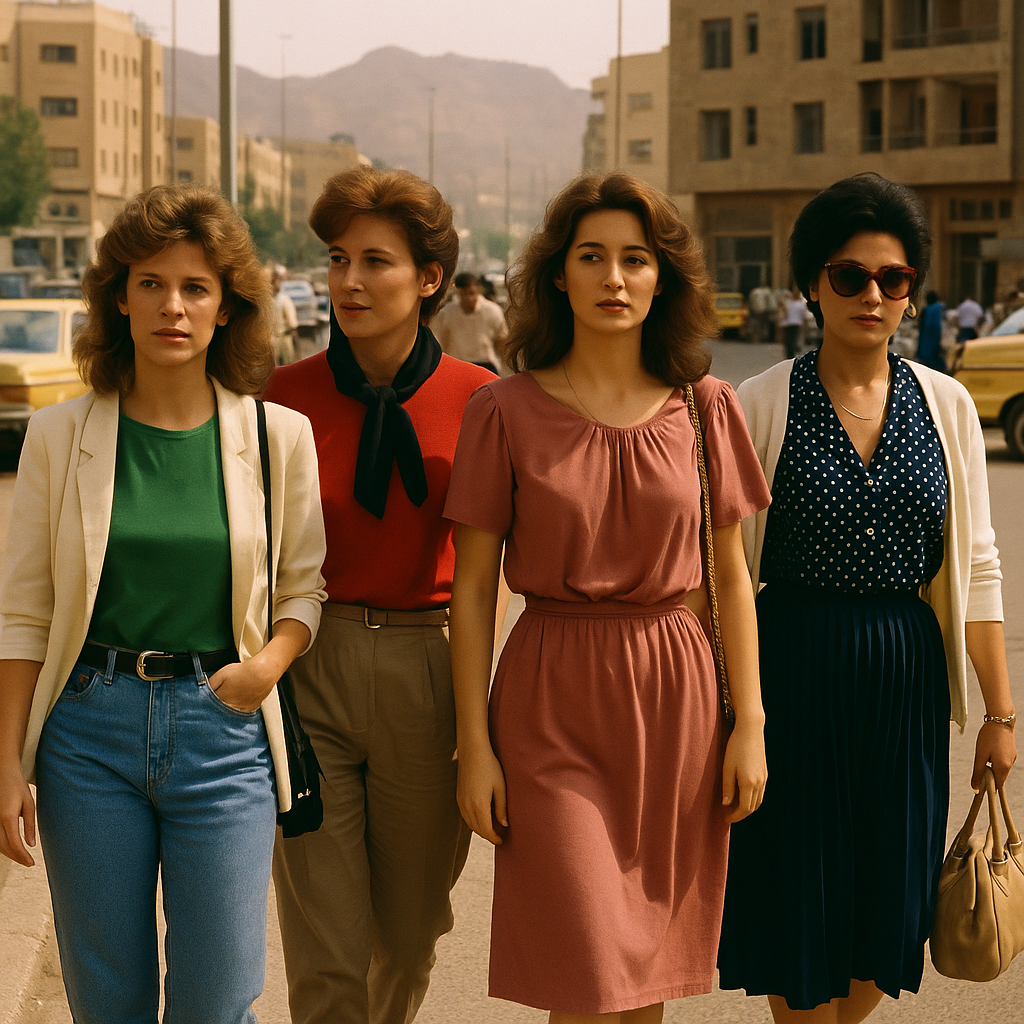
This is the most frightening reason of all, because it exposes the intentions.
Look at recent history in Muslim lands. For centuries, wearing the hijab was the norm however, in the mid-20th century, aggressive secularisation pushed many women to uncover and by the 1970s–1980s, in some cities it was rare to see a woman in hijab. In the 1990s–2000s, hijab surged again with Islamic revival and identity and after 9/11, many strengthened their Islamic identity – including hijab. Today, we’re watching another decline, especially online, where removing hijab is normalised, documented, even celebrated.
What does this say? That for many people, hijab has followed fashion and politics more than Qur’ān and Sunnah and that is indeed a terrifying thought.
Reverts/Converts: The Most Fragile Group
For reverts, the journey is even more complex. They lived their whole lives without hijab. Their families, friends, identity, photos, memories – all uncovered. When they embrace Islam, they are often told, very early on: “You must wear hijab immediately if you are serious.” Some do, out of pure love for Allah, and may Allah honour them for it.
However, others are pushed too hard, too fast, by communities or groups that have no understanding of psychology, family pressure, or trauma.
Some reverts: lose family support, face verbal or physical abuse at home, get pulled into harsh, sectarian circles, and feel suffocated by rules before they even know who Allah is.
In that broken place, removing hijab feels like a way to breathe again. Not because they reject Allah’s command, but because the way it was forced on them was never about Allah to begin with, it was about pleasing people.
Divorced Women & the Trauma of the “Religious” Husband
There is another reason rarely spoken about, yet it is one of the most devastating:
women who lose their hijab after escaping a toxic marriage.
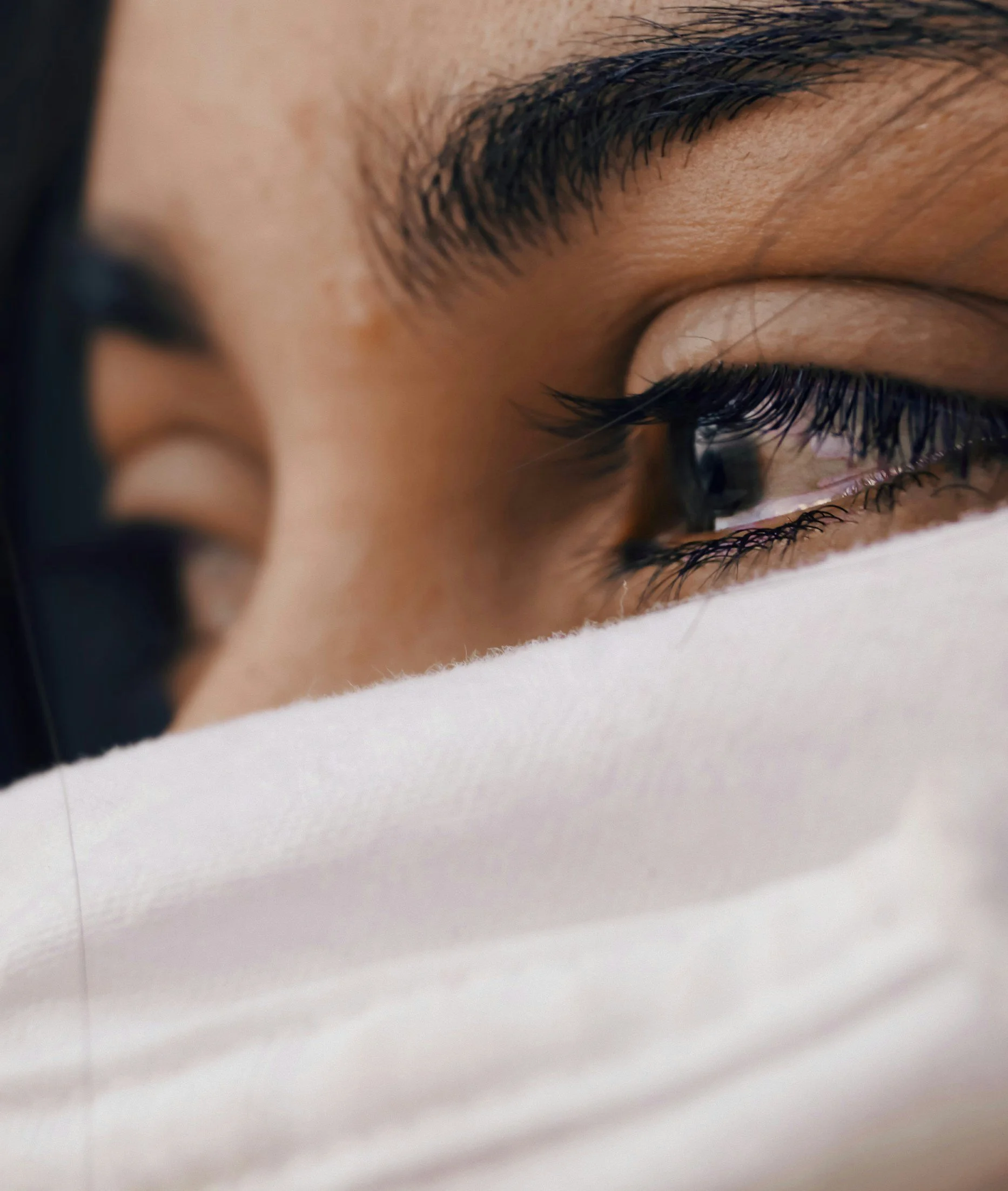
A growing number of divorced Muslim women describe the same story with chilling similarity: They married a man who appeared “practising,” who quoted Qur’an and Sunnah, who preached modesty and obedience, yet behind closed doors, he was emotionally abusive, neglectful, controlling, or spiritually manipulative.
These men weaponised religion. They enforced the hijab, not out of piety, but out of ego.
They demanded obedience while showing zero mercy. They upheld rules while breaking hearts. Then when the marriage collapses, the woman is left with trauma not only towards the man, but toward the religion he falsely represented.
This is one of the most heart-breaking tragedies in our communities: Women remove the hijab not because they reject Allah, but because they are trying to distance themselves from the pain inflicted in His Name.
A woman who spent years being criticised, monitored, belittled, and religiously guilt-tripped may come out of that marriage exhausted, spiritually, emotionally, psychologically.
Some lose trust in Islamic authority. Some lose trust in themselves. Some associate hijab with oppression, not devotion, because that is how it was used against them.
Is it right? No. Is it understandable? Painfully so and it is a catastrophe we created as a community by ignoring red flags, glorifying superficial piety, and encouraging women to “be patient” instead of holding abusive men accountable.
If we want women to return to Allah confidently and lovingly, we must stop producing men who push them away.
External Pressures & Legal Barriers
Some Muslim women remove the hijab not out of desire, but because their country legally prohibits it.
France banned the hijab in public schools and government settings; Belgium and the Netherlands restrict it in institutions; Kazakhstan, Azerbaijan, and Kosovo banned it in schools; and Central Asian governments like Tajikistan and Turkmenistan impose de facto bans. India’s Karnataka state also outlawed hijab in classrooms. These laws pressure many women into removing their Hijab out of necessity for education, employment, or safety. Such forced removal should never be confused with a loss of faith—rather, it reflects the harsh reality of systemic Islamophobia and state control over Muslim women’s bodies.
The Hard Truth: Hijab Is Still Obligatory
None of these reasons (apart from legal barriers) – career, loneliness, relationships, fame, trends, family pressure – change the ruling: hijab is obligatory.
We can and must show compassion. We can and must understand context.
We can and must support, uplift, and listen. However, we cannot turn hijab into: “my choice, my version of Islam”, “it’s just a piece of cloth” or “do what makes you feel good”.
The command is from Allah, not from culture. Taking the hijab off is disobedience, even if the one who does it is broken, tired, lonely, or confused. That’s the reality. Our job is not to water it down, but to help each other back to Allah, not push each other further away.
In Surah al-Nur 24:31, Allah instructs believing women to draw their khimar (headscarf) over their chests, and in Surah al-Ahzab 33:59 He commands them to wear their jalabib (outer garments) to maintain modesty and dignity. The Prophet ﷺ reinforced this when he told Asma’ that once a woman reaches puberty, nothing should be shown except the face and hands. These evidences establish that covering the hair and dressing modestly are obligations, not optional lifestyle choices. Any discussion of why women remove the hijab must begin by recognising the divine ruling first.
What Must a Muslim Woman Do?
Relax. Take a deep breath. The first step is not the scarf! The first step is the heart. A woman who is struggling with hijab must rebuild her relationship with Allah: Talk to Him, make duʿa’ for courage and consistency, learn why hijab was legislated, not just that it was legislated and surround yourself with women who obey Allah without arrogance, strictness or harshness.
Hijab comes in different fabrics, cuts, and styles, but it is not negotiable as a command.
No one can force you into a specific cultural outfit. But no one can cancel the obligation either.
What matters is: that one accepts hijab as part of one’s religion, that one doesn’t justify its removal as “freedom” or “growth”, and that, even if one falls, one keeps wanting to return.
The people we are trying to please by removing it will not stand next to us on the Day of Judgement and Allah’s Mercy is greater than any loneliness, any pressure, or any trend.
